Construct IN
1 de out. de 2025
Building solid partnerships: how to align expectations with suppliers?
Building solid partnerships: how to align expectations with suppliers?
7 tips to strengthen relationships and build strategic bonds in your construction management
7 tips to strengthen relationships and build strategic bonds in your construction management


Tales Silva
CEO & founder, Construct IN
cOMPARTILHE NAS REDES
cOMPARTILHE NAS REDES

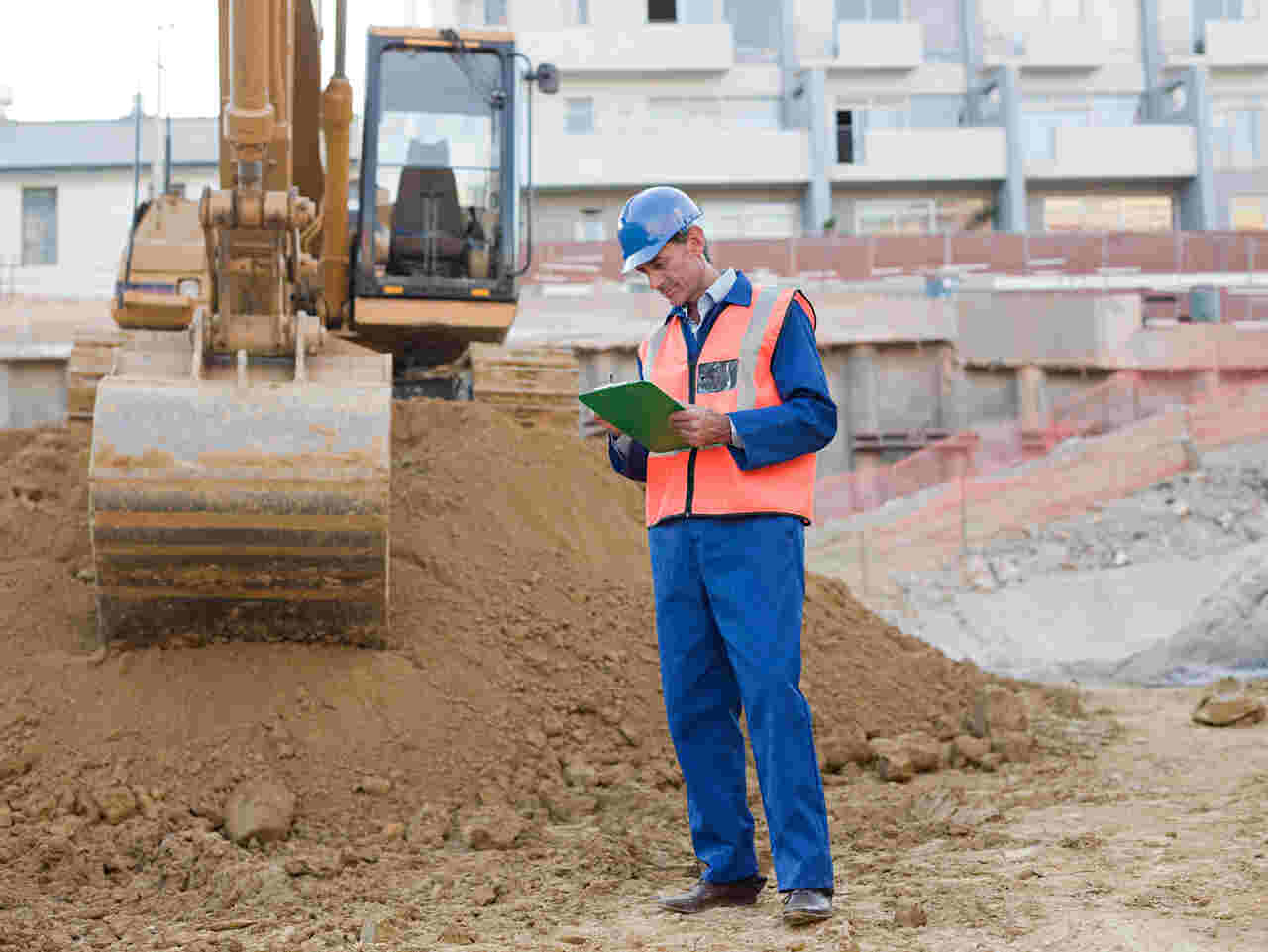
Cover image: Freepik/EyeEm
Building solid partnerships with suppliers is still one of the biggest challenges for construction managers.
Often, what begins as a simple material negotiation ends up turning into a headache.
Thus, it is very common to hear Civil Engineering professionals complain about missed deadlines, doubtful quality materials, unexpected costs, and a lack of alignment that compromise the entire construction schedule.
If this also happens in your projects, read our post and find out how to strengthen this relationship.

7 steps to build a solid partnership with suppliers
More than negotiating prices, what really generates value is building solid partnerships, based on trust and collaboration.
This type of relationship transforms suppliers into strategic allies, capable of contributing to reducing costs, maintaining quality, and bringing competitive advantages to the market.
To reach this level, it is necessary to adopt a structured process that goes beyond the one-time purchase of materials and creates a sustainable model of working together.
This is where the 7 steps we have separated below come into play:
Step 1: align the procurement strategy with the competitive strategy
This alignment is fundamental because it is the competitive strategy that defines which customer needs must be met.
When this connection is well-made, supply management stops being just operational and becomes a real competitive differentiator.
In practice, this means working on four pillars:
• Cost: counting on suppliers that help seek more economical alternatives, without giving up quality;
• Service/delivery: ensuring deadlines are met and quantity flexibility, reducing the need for high inventory levels;
• Quality: ensuring that quality materials result in quality construction, with suppliers participating since the design phase;
• Innovation: developing new solutions collaboratively between the builder and the supplier.
To ensure that the effort is well directed, it is important to classify materials and components according to their financial impact and supply risk.
The Kraljic Matrix is a useful tool in this process, as it helps identify which products should receive more attention. It works as a chart divided into four parts (quadrants). To get there, we use two main criteria:
Impact on Financial Result (Y-Axis): evaluates how much that material weighs on the construction budget. This includes the direct cost of the item, the percentage it represents of the total project cost, and even indirect costs linked to its purchase.
Supply Risk (X-Axis): shows the difficulty of obtaining or replacing this material. It takes into account how many suppliers exist, their stability, whether there are alternatives available, and the cost of switching suppliers.

Kraljic Matrix applied to Civil Construction
Quadrant | Characteristics | Main Objective | Relationship Strategy | Supplier Class | Examples in Civil Construction |
Strategic Products (High Financial Impact / High Supply Risk) | Great impact on final cost and high difficulty of replacement. | Ensure long-term availability and create mutual gains. | Development of long-term strategic partnerships, cautious management, and centralized purchasing. | Class I – Partner. Supplier must invest in joint research and development and participate since the design phase. | Steel, ready-mix concrete, elevators. In high-end residential: finish ceramic tiles. |
Leverage Products (High Financial Impact / Low Supply Risk) | Great weight in the budget, but wide supply of vendors. | Optimize economic variables and material flow. | Negotiation focused on price and contractual power. Possible to work with multiple suppliers. | Class II – Integrated. | PVC pipes and fittings, paints, waterproofing agents, wooden doors. |
Bottleneck Products (Low Financial Impact / High Supply Risk) | Low impact on budget, but supply failure can stop production. | Ensure delivery flow and reliability. | Focus on lead time and supply security. Cost is not the main factor. | Class II – Integrated or Class III – Common. | Cement, ready-mix mortars, hydrated lime, sand. |
Routine Products (Low Financial Impact / Low Supply Risk) | Little financial impact and low supply restriction. | Ensure functional efficiency and standardization. | Decentralized purchasing, without major partnership efforts. Easy to switch supplier. | Class III – Common. | Grout, wires, nails. |
Step 2: define and qualify strategic suppliers
Once the strategic products are defined, it is time to identify suppliers with the profile to build solid partnerships. Qualification must go beyond price and lead time, considering criteria such as:
• Long-term commitment;
• Capacity to invest in research and development together with the construction company;
• Strategic alignment between supplier and customer;
• Service capacity and operational flexibility.
The Class I supplier must be willing to act from the design phase, share strategic information, and assume an active role in the development of the construction.
Step 3: formalize the relationship with mutual trust
When a builder decides to turn a supplier into a strategic partner, the relationship needs to be recorded in a well-structured contract.
This document must make clear points such as: material quality, quantity to be delivered, prices, deadlines, and payment terms.
But paper alone does not sustain the partnership. What really strengthens the relationship is the trust built on a daily basis, with both parties fulfilling what was agreed.
This means that paying on time, delivering on schedule, and maintaining predictability in financial terms are actions that solidify the relationship.
Furthermore, when negotiating, it is not enough to look only at the unit price of the product. One must consider the global costs involved in flawed materials, idle inventory, extra inspections, or rework. These hidden factors also directly impact the construction budget.
Finally, contracts that offer predictability and flexibility (such as more adjusted payment terms or discounts on larger purchases) strengthen trust between the builder and supplier, making the partnership more efficient and advantageous for both sides.

Step 4: integrate the supplier since the design and planning phase
The partner supplier should not be restricted to the procurement area; they need to participate in Design, Budgeting, Planning, and Production.
This integration allows the identification of more efficient constructive solutions, aligns costs already in the budget, and ensures productivity on site.
This includes on-time deliveries, supplying in smaller batches (when agreed upon in a just-in-time model), and even training for execution teams.
With this, the builder gains focus on design, global planning, and the customer, while the supplier assumes greater responsibility on other fronts.
Step 5: keep open and agile communication channels
Sharing risks and opportunities strengthens the relationship: suppliers must inform about price variations and logistical bottlenecks, while the builder must pass on feedback from the end customer.
Furthermore, clear channels allow solving problems immediately, avoiding larger impacts on the schedule.
Step 6: implement a strategic evaluation and feedback system
Signing a contract does not mean ending the management. Monitoring supplier performance constantly is essential.
Evaluations should consider technological capacity, strategic alignment, global costs, and continuous improvement.
In high-trust relationships, it is possible to replace strict inspections with the supplier's self-control, reducing bureaucracy without compromising quality.
Constructive feedback closes the loop, allowing continuous adjustments and recognizing both advances and points of attention.
Step 7: use technology to optimize management
Integrated platforms allow centralizing orders, tracking deliveries in real time, and evaluating performance transparently.
These systems not only increase efficiency but also bring suppliers and different areas of the construction company (purchasing, financial, and operational) closer together in the same information flow.
Integrating the supplier since the planning stage, with the support of technology, maximizes gains and reduces risks.
Visi: your construction sites well monitored
Centralize 360° images, reports, and processes of your construction sites in one place and ensure total traceability at every stage of the site's evolution.
Visi, our remote construction management software, connects plans, dates, reports, and checklists intelligently, with AI support, to reduce costs, eliminate noise, and strengthen solid partnerships between teams and suppliers.
Talk to an expert and test Visi in practice.
Building solid partnerships with suppliers is still one of the biggest challenges for construction managers.
Often, what begins as a simple material negotiation ends up turning into a headache.
Thus, it is very common to hear Civil Engineering professionals complain about missed deadlines, doubtful quality materials, unexpected costs, and a lack of alignment that compromise the entire construction schedule.
If this also happens in your projects, read our post and find out how to strengthen this relationship.
7 steps to build a solid partnership with suppliers
More than negotiating prices, what really generates value is building solid partnerships, based on trust and collaboration.
This type of relationship transforms suppliers into strategic allies, capable of contributing to reducing costs, maintaining quality, and bringing competitive advantages to the market.
To reach this level, it is necessary to adopt a structured process that goes beyond the one-time purchase of materials and creates a sustainable model of working together.
This is where the 7 steps we have separated below come into play:
Step 1: align the procurement strategy with the competitive strategy
This alignment is fundamental because it is the competitive strategy that defines which customer needs must be met.
When this connection is well-made, supply management stops being just operational and becomes a real competitive differentiator.
In practice, this means working on four pillars:
• Cost: counting on suppliers that help seek more economical alternatives, without giving up quality;
• Service/delivery: ensuring deadlines are met and quantity flexibility, reducing the need for high inventory levels;
• Quality: ensuring that quality materials result in quality construction, with suppliers participating since the design phase;
• Innovation: developing new solutions collaboratively between the builder and the supplier.
To ensure that the effort is well directed, it is important to classify materials and components according to their financial impact and supply risk.
The Kraljic Matrix is a useful tool in this process, as it helps identify which products should receive more attention. It works as a chart divided into four parts (quadrants). To get there, we use two main criteria:
Impact on Financial Result (Y-Axis): evaluates how much that material weighs on the construction budget. This includes the direct cost of the item, the percentage it represents of the total project cost, and even indirect costs linked to its purchase.
Supply Risk (X-Axis): shows the difficulty of obtaining or replacing this material. It takes into account how many suppliers exist, their stability, whether there are alternatives available, and the cost of switching suppliers.
Kraljic Matrix applied to Civil Construction
Quadrant | Characteristics | Main Objective | Relationship Strategy | Supplier Class | Examples in Civil Construction |
Strategic Products (High Financial Impact / High Supply Risk) | Great impact on final cost and high difficulty of replacement. | Ensure long-term availability and create mutual gains. | Development of long-term strategic partnerships, cautious management, and centralized purchasing. | Class I – Partner. Supplier must invest in joint research and development and participate since the design phase. | Steel, ready-mix concrete, elevators. In high-end residential: finish ceramic tiles. |
Leverage Products (High Financial Impact / Low Supply Risk) | Great weight in the budget, but wide supply of vendors. | Optimize economic variables and material flow. | Negotiation focused on price and contractual power. Possible to work with multiple suppliers. | Class II – Integrated. | PVC pipes and fittings, paints, waterproofing agents, wooden doors. |
Bottleneck Products (Low Financial Impact / High Supply Risk) | Low impact on budget, but supply failure can stop production. | Ensure delivery flow and reliability. | Focus on lead time and supply security. Cost is not the main factor. | Class II – Integrated or Class III – Common. | Cement, ready-mix mortars, hydrated lime, sand. |
Routine Products (Low Financial Impact / Low Supply Risk) | Little financial impact and low supply restriction. | Ensure functional efficiency and standardization. | Decentralized purchasing, without major partnership efforts. Easy to switch supplier. | Class III – Common. | Grout, wires, nails. |
Step 2: define and qualify strategic suppliers
Once the strategic products are defined, it is time to identify suppliers with the profile to build solid partnerships. Qualification must go beyond price and lead time, considering criteria such as:
• Long-term commitment;
• Capacity to invest in research and development together with the construction company;
• Strategic alignment between supplier and customer;
• Service capacity and operational flexibility.
The Class I supplier must be willing to act from the design phase, share strategic information, and assume an active role in the development of the construction.
Step 3: formalize the relationship with mutual trust
When a builder decides to turn a supplier into a strategic partner, the relationship needs to be recorded in a well-structured contract.
This document must make clear points such as: material quality, quantity to be delivered, prices, deadlines, and payment terms.
But paper alone does not sustain the partnership. What really strengthens the relationship is the trust built on a daily basis, with both parties fulfilling what was agreed.
This means that paying on time, delivering on schedule, and maintaining predictability in financial terms are actions that solidify the relationship.
Furthermore, when negotiating, it is not enough to look only at the unit price of the product. One must consider the global costs involved in flawed materials, idle inventory, extra inspections, or rework. These hidden factors also directly impact the construction budget.
Finally, contracts that offer predictability and flexibility (such as more adjusted payment terms or discounts on larger purchases) strengthen trust between the builder and supplier, making the partnership more efficient and advantageous for both sides.
Step 4: integrate the supplier since the design and planning phase
The partner supplier should not be restricted to the procurement area; they need to participate in Design, Budgeting, Planning, and Production.
This integration allows the identification of more efficient constructive solutions, aligns costs already in the budget, and ensures productivity on site.
This includes on-time deliveries, supplying in smaller batches (when agreed upon in a just-in-time model), and even training for execution teams.
With this, the builder gains focus on design, global planning, and the customer, while the supplier assumes greater responsibility on other fronts.
Step 5: keep open and agile communication channels
Sharing risks and opportunities strengthens the relationship: suppliers must inform about price variations and logistical bottlenecks, while the builder must pass on feedback from the end customer.
Furthermore, clear channels allow solving problems immediately, avoiding larger impacts on the schedule.
Step 6: implement a strategic evaluation and feedback system
Signing a contract does not mean ending the management. Monitoring supplier performance constantly is essential.
Evaluations should consider technological capacity, strategic alignment, global costs, and continuous improvement.
In high-trust relationships, it is possible to replace strict inspections with the supplier's self-control, reducing bureaucracy without compromising quality.
Constructive feedback closes the loop, allowing continuous adjustments and recognizing both advances and points of attention.
Step 7: use technology to optimize management
Integrated platforms allow centralizing orders, tracking deliveries in real time, and evaluating performance transparently.
These systems not only increase efficiency but also bring suppliers and different areas of the construction company (purchasing, financial, and operational) closer together in the same information flow.
Integrating the supplier since the planning stage, with the support of technology, maximizes gains and reduces risks.
Visi: your construction sites well monitored
Centralize 360° images, reports, and processes of your construction sites in one place and ensure total traceability at every stage of the site's evolution.
Visi, our remote construction management software, connects plans, dates, reports, and checklists intelligently, with AI support, to reduce costs, eliminate noise, and strengthen solid partnerships between teams and suppliers.
Talk to an expert and test Visi in practice.
Cover image: Freepik/EyeEm
Sobre o autor
Tales Silva
CEO & founder, Construct IN
Tales Silva é Engenheiro Civil formado pela PUCRS (2016) e possui MBA Executivo com foco em marketing pela ESPM-Sul (2019). Tem experiência em projetos estruturais e em construções industrializadas. É fundador e CEO da Construct IN, construtech que oferece uma plataforma de gestão e documentação de obras por meio de imagens 360º.
cOMPARTILHE NAS REDES
Recomendado para você
carregar mais ↓


Subscribe to our newsletter
Explore nossas soluções
Entre em contato e descubra como a captura da realidade e dados centralizados podem ser a solução para a gestão de suas obras.
