Construct IN
19 de ago. de 2025
Material control in civil construction: 6 practices for efficient management
Material control in civil construction: 6 practices for efficient management
Avoid delays, waste, and high costs with efficient material control. Check out tips to optimize your construction management.
Avoid delays, waste, and high costs with efficient material control. Check out tips to optimize your construction management.


Tales Silva
CEO & founder, Construct IN
cOMPARTILHE NAS REDES
cOMPARTILHE NAS REDES
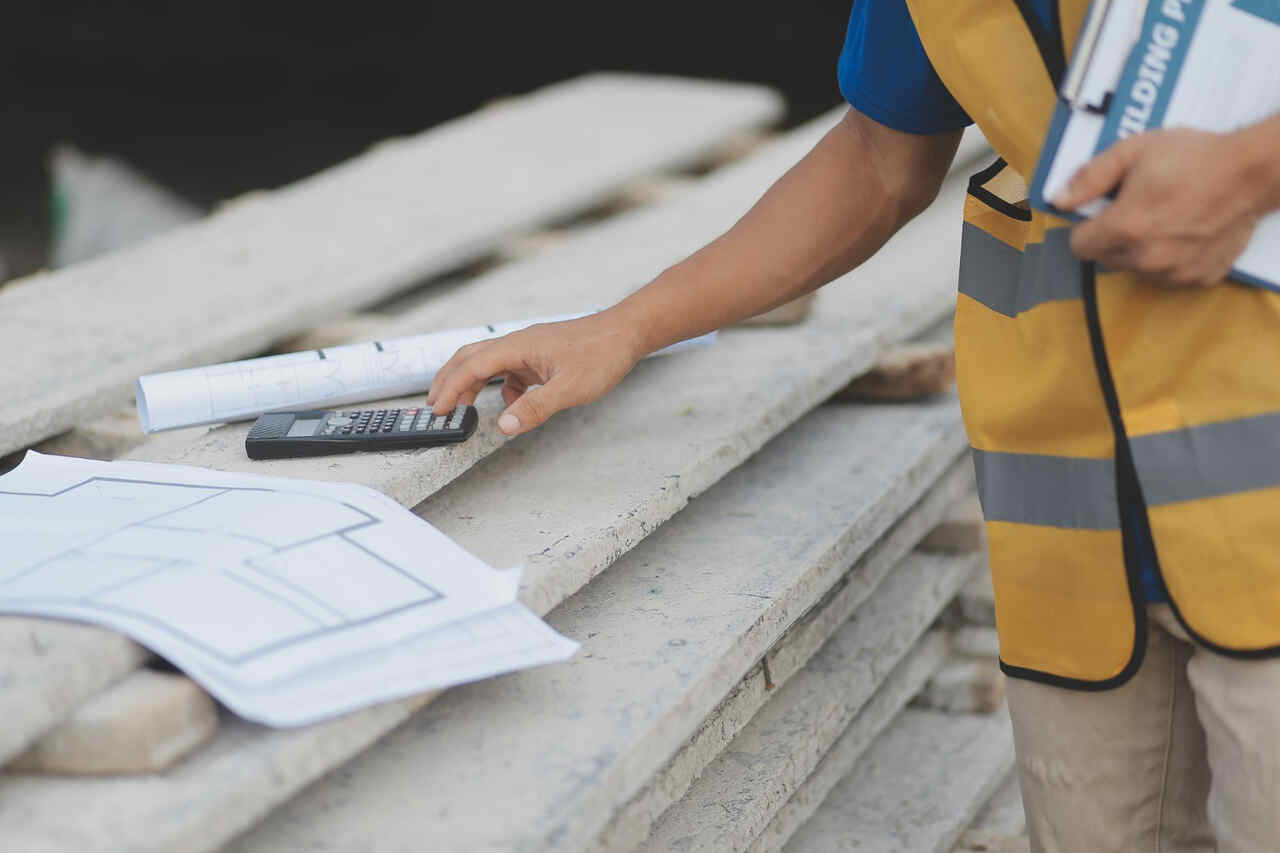
Image: Freepik/siriadobe1
If there is one thing that compromises the schedule, increases the cost of the work, and also wears down the team, it is the lack of material control in Civil Construction.
With so many supplies circulating, tight deadlines, and teams divided across multiple fronts, keeping everything under control is not easy.
Especially when you still depend on manual processes, outdated spreadsheets, and poor visibility of what is actually happening on the construction site.
But the good news is: you can improve this with planning, best practices, and the right technology. Find out how in this blog post.

Impacts of the lack of material control on the construction site
The main impacts of the lack of material control on the construction site are schedule delays, high costs, reduced quality, environmental impact, and clients dissatisfied with the results.
See in detail how this happens:
Schedule delays:
An order that does not arrive, a material that was poorly checked, or simply is no longer in stock: this can stall an entire front of service, in other words, the schedule.
As each stage of the work depends on the previous one, the delay multiplies and becomes a domino effect that is difficult to recover from later. Without control, you end up reacting to the problem after it has already affected progress.
High costs:
Without material traceability, it is common to have waste (wrong cuts and losses due to poor storage), rework, and emergency purchases, often at higher prices.
This directly impacts the project's budget and pressures the profit margin. The lack of visibility also prevents negotiation with suppliers or planning purchases at scale.
Compromised quality
When the schedule is delayed, pressure increases. The team needs to "make up for lost time" and this almost always results in rushed execution, with less attention to detail and a higher chance of error.
In addition, the absence of the correct materials can force improvised adaptations, which affect the quality standard planned for the project.
Environmental impact
Poorly stored, expired, or damaged materials go straight to the trash, or worse, are discarded incorrectly. This generates environmental impacts and can even lead to legal sanctions, depending on the size of the project and local requirements.
The inefficient use of supplies also increases the carbon footprint of the construction as a whole, a topic that is increasingly relevant for clients and certifications.
6 best practices for material control on the construction site
Good material control requires planning aligned with the schedule, real-time monitoring, checklists, documentation, site organization, and the presence of a trained team.
1. Plan the use of supplies along with the schedule
Good control starts before construction begins. Still during budgeting, it is important to define the materials that will be used, in which stages, and the quantities. This avoids last-minute purchases, lack of supplies, and even delays due to work stoppages.
Although Visi, our remote construction management software, is not a specific material control tool, it helps you visualize the project schedule as a whole and understand the progress of activities.
2. Monitor in real time with a digital system
Tracking the entry and exit of materials in real time reduces waste and avoids surprises on site. Software programs are allies in this stage, especially when they allow inventory control by category, location, or supplier.
Although it is not a specific solution for auditing, Visi's live cameras can be great allies in the strategic monitoring of the construction site. They allow:
- Monitoring the entry and exit of people and vehicles (gatehouse, main access points);
- Supervision of the warehouse for movement and stock control of materials (material control);
- Monitoring of concrete pours or major deliveries (critical activities that require timing);
- Verification of activities in risk areas (work at heights, excavations, metal structures);
- Control of areas with parallel services (multiple simultaneous fronts);
- Review of incidents or unsafe behaviors with image replay;
- Remote supervision of outsourced teams;
- Schedule management in periods of high activity or pressure.
3. Use checklists and visual records
Standardized checklists make inspection easier when receiving or releasing materials. And when this is done with a visual record, traceability is guaranteed.
With Visi, you create custom checklists according to each stage or type of inspection, such as material control, service inspection, and handover of the work. Everything straight from your cell phone or computer, even offline.
You can fill in items, attach photos, and quickly record everything with evidence in a standardized way.
The data is centralized, linked to the floor plan, and can be tracked in clear dashboards, with compliance indicators, responsible parties, and inspected locations. This way, you gain traceability, reduce waste, and accelerate decision-making.
Oh, and the reports? You generate everything in PDF with one click, ready to share with whoever needs to follow the execution.
4. Document all movement
Recording deliveries and withdrawals is essential to understand what comes in, what goes out, and what is being used.
Although Visi does not have a specific function for inventory control, you can quickly record in the Daily Work Report (RDO), for example, that work stopped due to a lack of supplies, or that there was an error in delivery.
With reports made in seconds, you maintain a clear and accessible history for the whole team.
5. Organize the construction site
An intelligent layout avoids losses, facilitates access, and streamlines the routine. It is a simple practice that reduces rework and improves productivity.
6. Train the team
A good system is useless if the team does not know how to use it. Therefore, investing in training, standardizing processes, and creating a culture of care for supplies is essential.
FAQ: People also ask
What is material control?
It is the process of monitoring, organizing, and recording the entry, exit, and use of materials in a project, ensuring that the right supplies are available at the right time, avoiding waste, delays, and extra costs.
What are the 4 pillars of inventory control?
Purchase and delivery planning
Proper storage
Continuous monitoring of movements
Accurate records and traceability
What are the 4 main activities of materials management?
Demand planning
Acquisition and receiving
Storage and inventory control
Distribution and use of materials on site
How to do material control?
It starts with planning supplies aligned with the schedule, followed by standardized records (such as checklists), visual control, digital documentation, and site organization, always supported by tools that ensure traceability and agility.
Cut in half in-person visits to construction sites with Visi software
Visi is not a specific tool for inventory control, but it is a great ally for a more efficient, safe, and connected construction management.
With features such as:
RDOs, Photographic Report, Non-compliance Report, etc.;
Visual records with photos and videos in 360 degrees (including drones);
Different types of AI to facilitate the management of your project (Safety Insight, among others).
And much more in a single platform designed to make your routine more agile, with more data and less guesswork.
If there is one thing that compromises the schedule, increases the cost of the work, and also wears down the team, it is the lack of material control in Civil Construction.
With so many supplies circulating, tight deadlines, and teams divided across multiple fronts, keeping everything under control is not easy.
Especially when you still depend on manual processes, outdated spreadsheets, and poor visibility of what is actually happening on the construction site.
But the good news is: you can improve this with planning, best practices, and the right technology. Find out how in this blog post.
Impacts of the lack of material control on the construction site
The main impacts of the lack of material control on the construction site are schedule delays, high costs, reduced quality, environmental impact, and clients dissatisfied with the results.
See in detail how this happens:
Schedule delays:
An order that does not arrive, a material that was poorly checked, or simply is no longer in stock: this can stall an entire front of service, in other words, the schedule.
As each stage of the work depends on the previous one, the delay multiplies and becomes a domino effect that is difficult to recover from later. Without control, you end up reacting to the problem after it has already affected progress.
High costs:
Without material traceability, it is common to have waste (wrong cuts and losses due to poor storage), rework, and emergency purchases, often at higher prices.
This directly impacts the project's budget and pressures the profit margin. The lack of visibility also prevents negotiation with suppliers or planning purchases at scale.
Compromised quality
When the schedule is delayed, pressure increases. The team needs to "make up for lost time" and this almost always results in rushed execution, with less attention to detail and a higher chance of error.
In addition, the absence of the correct materials can force improvised adaptations, which affect the quality standard planned for the project.
Environmental impact
Poorly stored, expired, or damaged materials go straight to the trash, or worse, are discarded incorrectly. This generates environmental impacts and can even lead to legal sanctions, depending on the size of the project and local requirements.
The inefficient use of supplies also increases the carbon footprint of the construction as a whole, a topic that is increasingly relevant for clients and certifications.
6 best practices for material control on the construction site
Good material control requires planning aligned with the schedule, real-time monitoring, checklists, documentation, site organization, and the presence of a trained team.
1. Plan the use of supplies along with the schedule
Good control starts before construction begins. Still during budgeting, it is important to define the materials that will be used, in which stages, and the quantities. This avoids last-minute purchases, lack of supplies, and even delays due to work stoppages.
Although Visi, our remote construction management software, is not a specific material control tool, it helps you visualize the project schedule as a whole and understand the progress of activities.
2. Monitor in real time with a digital system
Tracking the entry and exit of materials in real time reduces waste and avoids surprises on site. Software programs are allies in this stage, especially when they allow inventory control by category, location, or supplier.
Although it is not a specific solution for auditing, Visi's live cameras can be great allies in the strategic monitoring of the construction site. They allow:
- Monitoring the entry and exit of people and vehicles (gatehouse, main access points);
- Supervision of the warehouse for movement and stock control of materials (material control);
- Monitoring of concrete pours or major deliveries (critical activities that require timing);
- Verification of activities in risk areas (work at heights, excavations, metal structures);
- Control of areas with parallel services (multiple simultaneous fronts);
- Review of incidents or unsafe behaviors with image replay;
- Remote supervision of outsourced teams;
- Schedule management in periods of high activity or pressure.
3. Use checklists and visual records
Standardized checklists make inspection easier when receiving or releasing materials. And when this is done with a visual record, traceability is guaranteed.
With Visi, you create custom checklists according to each stage or type of inspection, such as material control, service inspection, and handover of the work. Everything straight from your cell phone or computer, even offline.
You can fill in items, attach photos, and quickly record everything with evidence in a standardized way.
The data is centralized, linked to the floor plan, and can be tracked in clear dashboards, with compliance indicators, responsible parties, and inspected locations. This way, you gain traceability, reduce waste, and accelerate decision-making.
Oh, and the reports? You generate everything in PDF with one click, ready to share with whoever needs to follow the execution.
4. Document all movement
Recording deliveries and withdrawals is essential to understand what comes in, what goes out, and what is being used.
Although Visi does not have a specific function for inventory control, you can quickly record in the Daily Work Report (RDO), for example, that work stopped due to a lack of supplies, or that there was an error in delivery.
With reports made in seconds, you maintain a clear and accessible history for the whole team.
5. Organize the construction site
An intelligent layout avoids losses, facilitates access, and streamlines the routine. It is a simple practice that reduces rework and improves productivity.
6. Train the team
A good system is useless if the team does not know how to use it. Therefore, investing in training, standardizing processes, and creating a culture of care for supplies is essential.
FAQ: People also ask
What is material control?
It is the process of monitoring, organizing, and recording the entry, exit, and use of materials in a project, ensuring that the right supplies are available at the right time, avoiding waste, delays, and extra costs.
What are the 4 pillars of inventory control?
Purchase and delivery planning
Proper storage
Continuous monitoring of movements
Accurate records and traceability
What are the 4 main activities of materials management?
Demand planning
Acquisition and receiving
Storage and inventory control
Distribution and use of materials on site
How to do material control?
It starts with planning supplies aligned with the schedule, followed by standardized records (such as checklists), visual control, digital documentation, and site organization, always supported by tools that ensure traceability and agility.
Cut in half in-person visits to construction sites with Visi software
Visi is not a specific tool for inventory control, but it is a great ally for a more efficient, safe, and connected construction management.
With features such as:
RDOs, Photographic Report, Non-compliance Report, etc.;
Visual records with photos and videos in 360 degrees (including drones);
Different types of AI to facilitate the management of your project (Safety Insight, among others).
And much more in a single platform designed to make your routine more agile, with more data and less guesswork.
Image: Freepik/siriadobe1
Sobre o autor
Tales Silva
CEO & founder, Construct IN
Tales Silva é Engenheiro Civil formado pela PUCRS (2016) e possui MBA Executivo com foco em marketing pela ESPM-Sul (2019). Tem experiência em projetos estruturais e em construções industrializadas. É fundador e CEO da Construct IN, construtech que oferece uma plataforma de gestão e documentação de obras por meio de imagens 360º.
cOMPARTILHE NAS REDES
Recomendado para você
carregar mais ↓




Subscribe to our newsletter
Explore nossas soluções
Entre em contato e descubra como a captura da realidade e dados centralizados podem ser a solução para a gestão de suas obras.
