Construct IN
26 de nov. de 2025
How to generate evidence for claims and future maintenance of construction works
How to generate evidence for claims and future maintenance of construction works
Technology, documentation, and change management are the foundation of Legal Security in Construction Projects
Technology, documentation, and change management are the foundation of Legal Security in Construction Projects


Tales Silva
CEO & founder, Construct IN
cOMPARTILHE NAS REDES
cOMPARTILHE NAS REDES
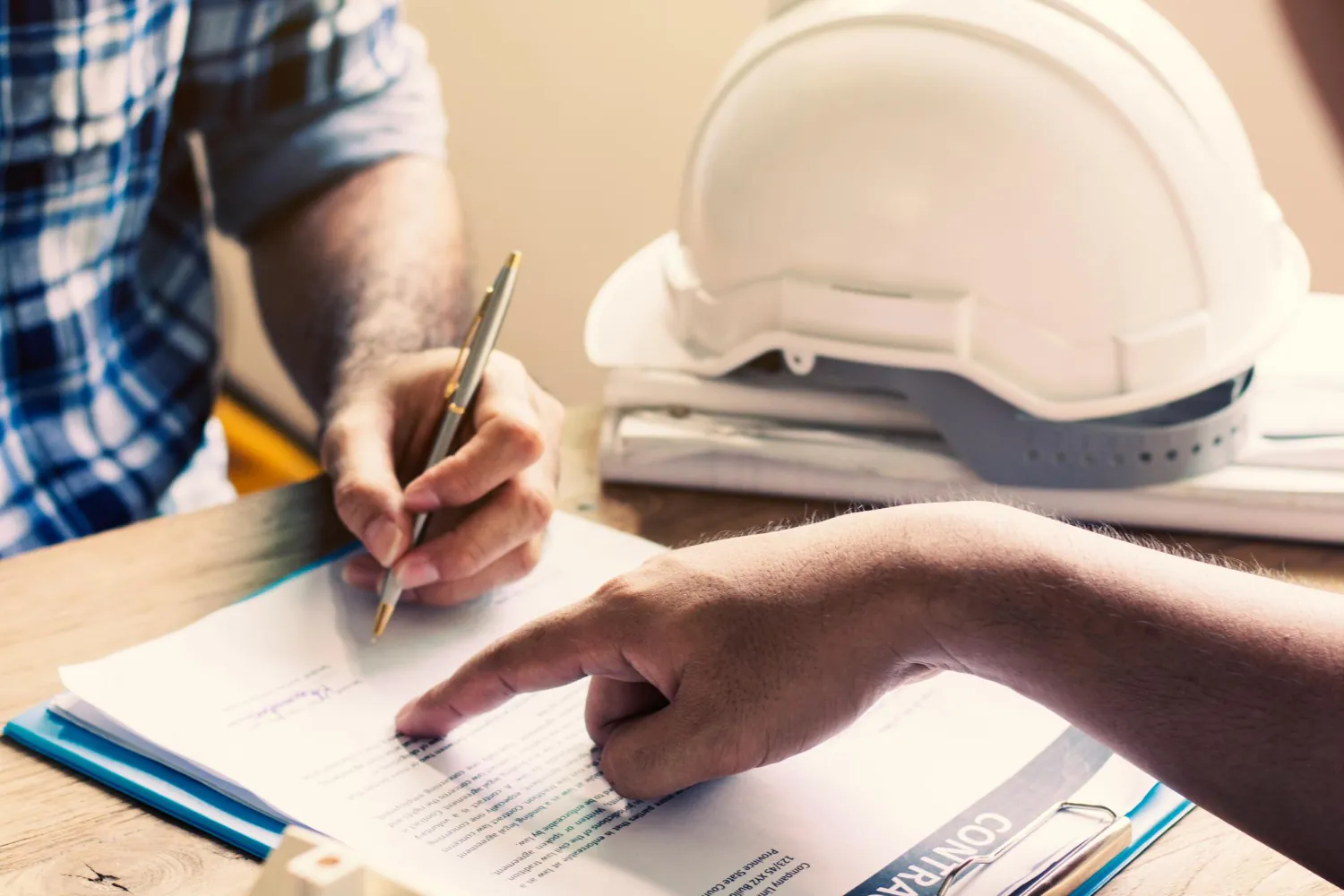
Anyone on the construction site knows that unforeseen events happen, deadlines change, and costs vary. When this occurs, having evidence for claims, that is, proving what actually happened, is what makes all the difference.
Without organized and reliable records, any justification loses its strength. Therefore, creating and maintaining a solid visual history of the construction is essential to guarantee transparency, technical support, and legal security in every decision.
In this blog post, we will explain how to document in a transparent and practical way everything that happens on the construction site. Come understand!
3 tips to generate evidence for claims in Civil Construction
Creating evidence for claims is one of the most delicate and decisive stages in contract management of construction works. To work, it depends on three pillars: intelligent use of technology, structured documentation, and clear change management processes.
1. Technology and systems: connected and auditable evidence
Investing in technology is essential to generate documentary evidence that supports decisions and claims. One way to do this is to use remote construction management software like Visi by Construct IN.
With this tool, it is possible to generate evidence for claims using various available resources:
1.1. Creation of visual evidence
The platform offers several tools for monitoring the construction site and creating visual evidence. In a few clicks, for example, it is possible to compare the evolution between dates and with what was planned. This is possible because some of the available features are:

1.2. Reports ready in a few clicks
With Visi, it is also possible to generate reports quickly and in a few clicks, such as: Photographic, DWRs, and Non-Conformance.

2. Documentation and organization: the foundation of evidence for claims
Having documentary evidence is what differentiates a technical justification from a fragile argument. Adopting a standardized system for document management allows you to track information, prove facts, and keep the project history accessible at any time.
💡Tip: Visi software can help
In addition to the documents generated by the software itself, it is also possible to upload external files, such as contracts, meeting minutes, etc., to the File Center.
Furthermore, the documentation of the images linked to the project blueprint and organized by date is an example of documentation and organization, as you do not need to rely on lost emails, WhatsApp images, or shared drives.
3. Change management: identify, document, and prove
But the main thing is that a well-structured change management process is what ensures that no relevant event goes unnoticed.
It is necessary to identify variations, record causes, and measure impacts, creating a routine of continuous monitoring that allows tracking of any change that could cause an economic-financial imbalance.
FAQ: people also ask
What does claim mean in construction?
It is the formal demand made by one of the parties to rebalance the contract when there is an unforeseen impact on deadline, cost, or scope (e.g., interferences, project changes, stoppages). It requires a technical, documentary basis and reference schedule.
What is claim analysis?
The process of evaluating the validity of the request: cause, effect, and causal link. It compares planned vs. executed, measures impacts (time/cost), verifies evidence (DWRs, 360° photos, minutes, designs), and concludes whether there is entitlement and how much compensation is due.
How to justify a construction delay?
Demonstrate the cause (extreme weather, amendment, access restriction, third-party delay), prove the link to the schedule, and quantify the effect (affected days/activities). Attach documents: daily records, communications, 360° photos/videos, measurements, and reprogramming (baseline vs. actual).
What is a claim letter?
A formal communication to the contracting party notifying them of the event, liability, estimated impact (time/cost), and reservation of rights. It includes chronology, evidence, objective request (time extension/compensation), and reference to applicable contract clauses.
Creating evidence for claims is more than a contractual requirement
With well-defined processes, strategic use of technology, and continuous visual records, the engineer transforms each stage of the construction into documented proof.
And with Visi, this process stops being manual and starts happening naturally. Every image, report, and mapping becomes part of a reliable timeline, ready to support any analysis or claim.
Request a demo and see what our software can do for you!
Anyone on the construction site knows that unforeseen events happen, deadlines change, and costs vary. When this occurs, having evidence for claims, that is, proving what actually happened, is what makes all the difference.
Without organized and reliable records, any justification loses its strength. Therefore, creating and maintaining a solid visual history of the construction is essential to guarantee transparency, technical support, and legal security in every decision.
In this blog post, we will explain how to document in a transparent and practical way everything that happens on the construction site. Come understand!
3 tips to generate evidence for claims in Civil Construction
Creating evidence for claims is one of the most delicate and decisive stages in contract management of construction works. To work, it depends on three pillars: intelligent use of technology, structured documentation, and clear change management processes.
1. Technology and systems: connected and auditable evidence
Investing in technology is essential to generate documentary evidence that supports decisions and claims. One way to do this is to use remote construction management software like Visi by Construct IN.
With this tool, it is possible to generate evidence for claims using various available resources:
1.1. Creation of visual evidence
The platform offers several tools for monitoring the construction site and creating visual evidence. In a few clicks, for example, it is possible to compare the evolution between dates and with what was planned. This is possible because some of the available features are:
1.2. Reports ready in a few clicks
With Visi, it is also possible to generate reports quickly and in a few clicks, such as: Photographic, DWRs, and Non-Conformance.
2. Documentation and organization: the foundation of evidence for claims
Having documentary evidence is what differentiates a technical justification from a fragile argument. Adopting a standardized system for document management allows you to track information, prove facts, and keep the project history accessible at any time.
💡Tip: Visi software can help
In addition to the documents generated by the software itself, it is also possible to upload external files, such as contracts, meeting minutes, etc., to the File Center.
Furthermore, the documentation of the images linked to the project blueprint and organized by date is an example of documentation and organization, as you do not need to rely on lost emails, WhatsApp images, or shared drives.
3. Change management: identify, document, and prove
But the main thing is that a well-structured change management process is what ensures that no relevant event goes unnoticed.
It is necessary to identify variations, record causes, and measure impacts, creating a routine of continuous monitoring that allows tracking of any change that could cause an economic-financial imbalance.
FAQ: people also ask
What does claim mean in construction?
It is the formal demand made by one of the parties to rebalance the contract when there is an unforeseen impact on deadline, cost, or scope (e.g., interferences, project changes, stoppages). It requires a technical, documentary basis and reference schedule.
What is claim analysis?
The process of evaluating the validity of the request: cause, effect, and causal link. It compares planned vs. executed, measures impacts (time/cost), verifies evidence (DWRs, 360° photos, minutes, designs), and concludes whether there is entitlement and how much compensation is due.
How to justify a construction delay?
Demonstrate the cause (extreme weather, amendment, access restriction, third-party delay), prove the link to the schedule, and quantify the effect (affected days/activities). Attach documents: daily records, communications, 360° photos/videos, measurements, and reprogramming (baseline vs. actual).
What is a claim letter?
A formal communication to the contracting party notifying them of the event, liability, estimated impact (time/cost), and reservation of rights. It includes chronology, evidence, objective request (time extension/compensation), and reference to applicable contract clauses.
Creating evidence for claims is more than a contractual requirement
With well-defined processes, strategic use of technology, and continuous visual records, the engineer transforms each stage of the construction into documented proof.
And with Visi, this process stops being manual and starts happening naturally. Every image, report, and mapping becomes part of a reliable timeline, ready to support any analysis or claim.
Request a demo and see what our software can do for you!
Sobre o autor
Tales Silva
CEO & founder, Construct IN
Tales Silva é Engenheiro Civil formado pela PUCRS (2016) e possui MBA Executivo com foco em marketing pela ESPM-Sul (2019). Tem experiência em projetos estruturais e em construções industrializadas. É fundador e CEO da Construct IN, construtech que oferece uma plataforma de gestão e documentação de obras por meio de imagens 360º.
cOMPARTILHE NAS REDES
Recomendado para você
carregar mais ↓
Subscribe to our newsletter
Explore nossas soluções
Entre em contato e descubra como a captura da realidade e dados centralizados podem ser a solução para a gestão de suas obras.
