Construct IN
26 de nov. de 2025
How to reduce on-site visits to the construction site without losing quality?
How to reduce on-site visits to the construction site without losing quality?
Manage your construction project from a distance with Visi by Construct IN. Reduce in-person visits, ensure real-time visibility, and generate automatic reports.
Manage your construction project from a distance with Visi by Construct IN. Reduce in-person visits, ensure real-time visibility, and generate automatic reports.


Tales Silva
CEO & founder, Construct IN
cOMPARTILHE NAS REDES
cOMPARTILHE NAS REDES
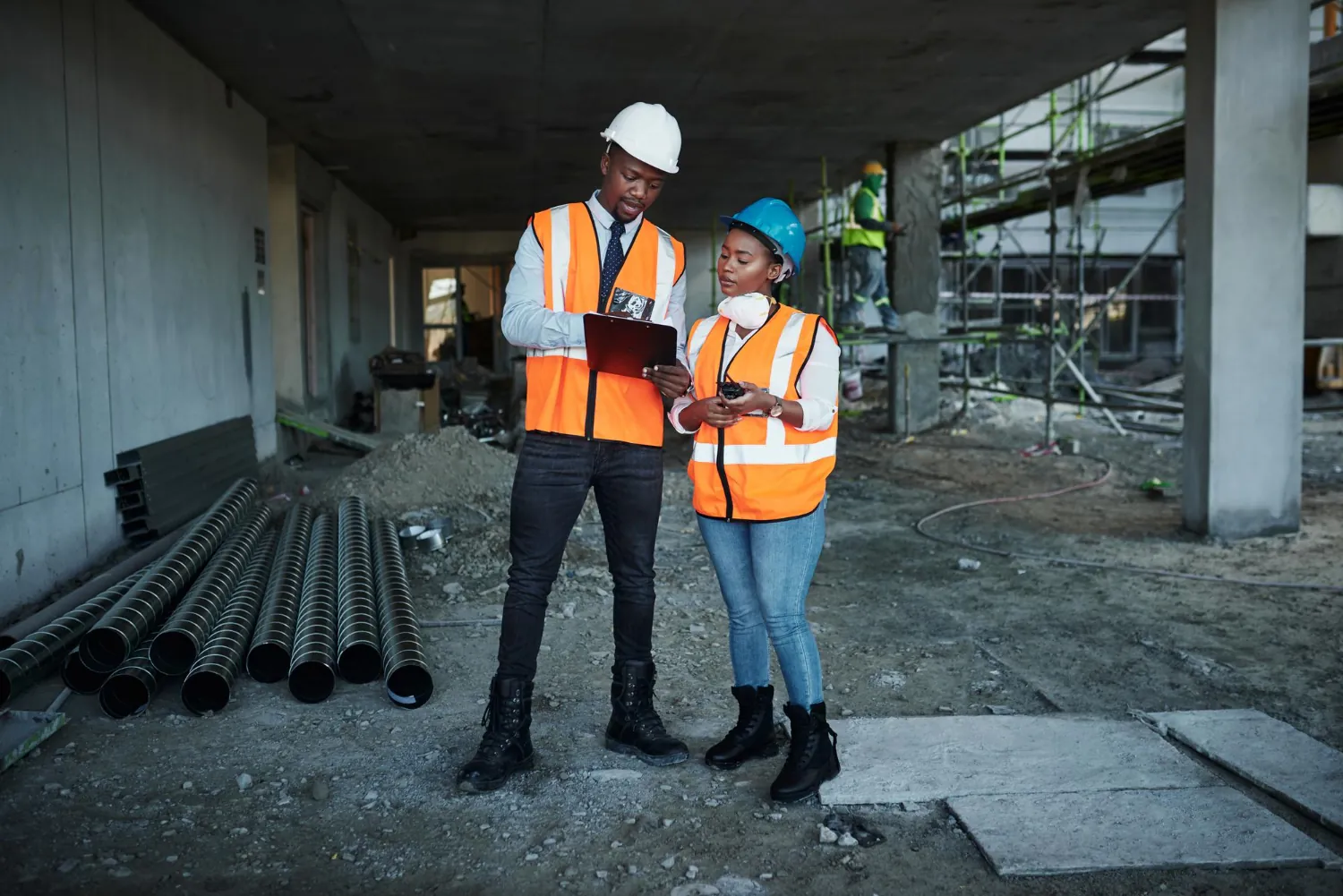
Making in-person site visits is (and always will be) an essential part of the routine for those who manage construction works.
Now, when the number of projects grows: the distance increases, teams spread across the country, and each visit begins to cost more time, more money, and more energy.
The good news is that today technology allows you to monitor the construction site in real time, even far from the jobsite.
The secret here is not to eliminate visits, but to make them strategic: going only when it is truly necessary, without losing control, visibility, and management quality.
And that is exactly what the remote construction management software Visi by Construct IN helps to do.
1. Why are so many in-person visits to the construction site still made?
A large portion of in-person visits occurs due to a lack of reliable information from a distance. When construction managers lack visibility of the jobsite, they need to go there to understand what is happening, check physical progress, validate what has been executed, and resolve pending issues that could have been identified earlier.
This model, which is still common in Civil Construction, generates well-known problems:
Expensive and time-consuming travel: especially when there are several simultaneous projects;
Loss of productivity for teams: who spend more time traveling than managing;
Slow decision-making: since analysis depends on photos or reports sent in a disconnected manner;
Difficulty in creating visual evidence for quality control and contractual claims.
In other words: the problem is not visiting the jobsite, but needing to go multiple times (or needing to stay for several days) just to understand what is happening.

2. The role of technology: seeing, validating, and deciding from anywhere
Reducing in-person visits to the construction site without losing management quality is only possible with real visibility of the project.
And this begins with the concept of Reality Capture, which integrates different technologies to transform construction into auditable visual data.
With Visi, this capture happens comprehensively: by ground, sky, and context. Our platform combines:
360° Images of the ground: the immersive view of someone walking through the site;
Drone mapping: high-precision aerial views and continuous topographic readings of the terrain;
Live cameras: real-time monitoring, ideal for critical points of the construction;
Integration with 3D and 4D BIM: comparison between what was planned and what was executed, ensuring coherence between the model and the field.
The result is an integrated view of reality, replacing assumptions with evidence and reports with images.
3. Visual evidence: the new standard of control
Every decision on a jobsite needs backing, meaning a visual proof that something was done, altered, or needs to be corrected. With Visi, this is generated automatically.
With each 360° capture or drone flight, the system saves the images directly on the project's floor plan, complete with date and exact registration point. This creates a visual timeline of the construction site, allowing the manager to:
Compare progress between dates;
Validate handovers and phases without needing to go to the location;
Create automatic reports based on real images;
Reduce discussions and uncertainties about what was or was not executed.
This evidence is the foundation for audits, quality control, claims, and future maintenance, all centralized in a single platform.
4. Automatic reports: communicate effortlessly
Reports are essential, but they take time. With Visi's Capture Report, the process is practically automatic: the 360° images recorded at the site are organized by the platform into a visual PDF ready to be sent.
Simply choose the areas of the construction site and the date of the capture, and the system generates the document with the corresponding photos and direct links to each location.
Ideal for board meetings, client tracking, and physical progress monitoring, the report replaces hours of manual collection and formatting with just a few clicks.
More than a document, it is visual proof of the project's progress. In addition, you can also generate other reports with just a few clicks, such as:
DCR;
Among others.

5. Savings in numbers: the impact of virtual inspections
When visibility is digital, in-person visits to the construction site become strategic, not routine.
The case of HUP, for example, which hired Visi, shows that the combination of virtual inspections and remote monitoring reduces miles driven and optimizes human resources.
This client saved more than 1,000 km in a single project in Itu (SP), in team travel back and forth, without losing control over the progress of the execution.
Less time on the road means more time analyzing, planning, and managing—and, as a bonus, a considerable reduction in the project's carbon footprint.
Another company that benefited from using our software was Petz. They faced the challenge of managing more than 50 projects per year and used the platform to monitor the progress of the works from a distance.
See other success stories using Visi:
Sempre Engenharia and Construct IN: Reality Capture Success Story
How Timenow reduced the time spent generating reports by 90%
Centenary institution saves 32,000 hours per year in construction management
Afonso França Success Story: how Construct IN is revolutionizing construction management
How LK2 eliminated travel and reduced construction inspection time by up to 80%
LD Consulting Success Story: how to have more traceability of construction site information
The impacts of technology on the works of Marista School and Independência Hospital
ProjetaBIM Success Story: 360° technology helps in communication and remote management
Construction management platform used by Carrefour is featured in Retail Expansion
FAQ: People also ask
What are the types of visits?
Construction site visits can be technical, inspection, commercial, or executive follow-ups. Each has a specific objective: from evaluating physical progress to validating phases, analyzing quality, or presenting the project to clients and investors.
Construction site visitation standards
Visits must follow occupational safety standards, such as the mandatory use of PPE, entry registration, and accompaniment by a technical professional. It is important to comply with the guidelines of NR-18, which deals with working conditions and environment in the construction industry.
How to report a visit?
The visit report must contain the date, participants, objectives, technical observations, and photographic records. Software like Visi facilitates this process, allowing you to generate automatic reports with 360° images and comments organized by project points.
How to set up a visit schedule?
Set up the schedule based on the project schedule, prioritizing critical phases and delivery deadlines. Use management tools, such as Visi, to plan virtual and in-person inspections, avoiding unnecessary travel and ensuring that each visit is truly strategic.
The construction site under your control
Reducing in-person visits to the jobsite is not about giving up quality—it is about evolving the way you manage. With Visi, every capture, image, or drone flight is transformed into a technical record, creating a detailed visual history of the construction.
You gain predictability, control, and transparency, maintaining the connection between the office and the jobsite without needing to physically be everywhere at the same time.
After all, seeing what happens in the field without leaving your chair is no longer the future of construction. It is the present.
Making in-person site visits is (and always will be) an essential part of the routine for those who manage construction works.
Now, when the number of projects grows: the distance increases, teams spread across the country, and each visit begins to cost more time, more money, and more energy.
The good news is that today technology allows you to monitor the construction site in real time, even far from the jobsite.
The secret here is not to eliminate visits, but to make them strategic: going only when it is truly necessary, without losing control, visibility, and management quality.
And that is exactly what the remote construction management software Visi by Construct IN helps to do.
1. Why are so many in-person visits to the construction site still made?
A large portion of in-person visits occurs due to a lack of reliable information from a distance. When construction managers lack visibility of the jobsite, they need to go there to understand what is happening, check physical progress, validate what has been executed, and resolve pending issues that could have been identified earlier.
This model, which is still common in Civil Construction, generates well-known problems:
Expensive and time-consuming travel: especially when there are several simultaneous projects;
Loss of productivity for teams: who spend more time traveling than managing;
Slow decision-making: since analysis depends on photos or reports sent in a disconnected manner;
Difficulty in creating visual evidence for quality control and contractual claims.
In other words: the problem is not visiting the jobsite, but needing to go multiple times (or needing to stay for several days) just to understand what is happening.
2. The role of technology: seeing, validating, and deciding from anywhere
Reducing in-person visits to the construction site without losing management quality is only possible with real visibility of the project.
And this begins with the concept of Reality Capture, which integrates different technologies to transform construction into auditable visual data.
With Visi, this capture happens comprehensively: by ground, sky, and context. Our platform combines:
360° Images of the ground: the immersive view of someone walking through the site;
Drone mapping: high-precision aerial views and continuous topographic readings of the terrain;
Live cameras: real-time monitoring, ideal for critical points of the construction;
Integration with 3D and 4D BIM: comparison between what was planned and what was executed, ensuring coherence between the model and the field.
The result is an integrated view of reality, replacing assumptions with evidence and reports with images.
3. Visual evidence: the new standard of control
Every decision on a jobsite needs backing, meaning a visual proof that something was done, altered, or needs to be corrected. With Visi, this is generated automatically.
With each 360° capture or drone flight, the system saves the images directly on the project's floor plan, complete with date and exact registration point. This creates a visual timeline of the construction site, allowing the manager to:
Compare progress between dates;
Validate handovers and phases without needing to go to the location;
Create automatic reports based on real images;
Reduce discussions and uncertainties about what was or was not executed.
This evidence is the foundation for audits, quality control, claims, and future maintenance, all centralized in a single platform.
4. Automatic reports: communicate effortlessly
Reports are essential, but they take time. With Visi's Capture Report, the process is practically automatic: the 360° images recorded at the site are organized by the platform into a visual PDF ready to be sent.
Simply choose the areas of the construction site and the date of the capture, and the system generates the document with the corresponding photos and direct links to each location.
Ideal for board meetings, client tracking, and physical progress monitoring, the report replaces hours of manual collection and formatting with just a few clicks.
More than a document, it is visual proof of the project's progress. In addition, you can also generate other reports with just a few clicks, such as:
DCR;
Among others.
5. Savings in numbers: the impact of virtual inspections
When visibility is digital, in-person visits to the construction site become strategic, not routine.
The case of HUP, for example, which hired Visi, shows that the combination of virtual inspections and remote monitoring reduces miles driven and optimizes human resources.
This client saved more than 1,000 km in a single project in Itu (SP), in team travel back and forth, without losing control over the progress of the execution.
Less time on the road means more time analyzing, planning, and managing—and, as a bonus, a considerable reduction in the project's carbon footprint.
Another company that benefited from using our software was Petz. They faced the challenge of managing more than 50 projects per year and used the platform to monitor the progress of the works from a distance.
See other success stories using Visi:
Sempre Engenharia and Construct IN: Reality Capture Success Story
How Timenow reduced the time spent generating reports by 90%
Centenary institution saves 32,000 hours per year in construction management
Afonso França Success Story: how Construct IN is revolutionizing construction management
How LK2 eliminated travel and reduced construction inspection time by up to 80%
LD Consulting Success Story: how to have more traceability of construction site information
The impacts of technology on the works of Marista School and Independência Hospital
ProjetaBIM Success Story: 360° technology helps in communication and remote management
Construction management platform used by Carrefour is featured in Retail Expansion
FAQ: People also ask
What are the types of visits?
Construction site visits can be technical, inspection, commercial, or executive follow-ups. Each has a specific objective: from evaluating physical progress to validating phases, analyzing quality, or presenting the project to clients and investors.
Construction site visitation standards
Visits must follow occupational safety standards, such as the mandatory use of PPE, entry registration, and accompaniment by a technical professional. It is important to comply with the guidelines of NR-18, which deals with working conditions and environment in the construction industry.
How to report a visit?
The visit report must contain the date, participants, objectives, technical observations, and photographic records. Software like Visi facilitates this process, allowing you to generate automatic reports with 360° images and comments organized by project points.
How to set up a visit schedule?
Set up the schedule based on the project schedule, prioritizing critical phases and delivery deadlines. Use management tools, such as Visi, to plan virtual and in-person inspections, avoiding unnecessary travel and ensuring that each visit is truly strategic.
The construction site under your control
Reducing in-person visits to the jobsite is not about giving up quality—it is about evolving the way you manage. With Visi, every capture, image, or drone flight is transformed into a technical record, creating a detailed visual history of the construction.
You gain predictability, control, and transparency, maintaining the connection between the office and the jobsite without needing to physically be everywhere at the same time.
After all, seeing what happens in the field without leaving your chair is no longer the future of construction. It is the present.
Sobre o autor
Tales Silva
CEO & founder, Construct IN
Tales Silva é Engenheiro Civil formado pela PUCRS (2016) e possui MBA Executivo com foco em marketing pela ESPM-Sul (2019). Tem experiência em projetos estruturais e em construções industrializadas. É fundador e CEO da Construct IN, construtech que oferece uma plataforma de gestão e documentação de obras por meio de imagens 360º.
cOMPARTILHE NAS REDES
Recomendado para você
carregar mais ↓

Subscribe to our newsletter
Explore nossas soluções
Entre em contato e descubra como a captura da realidade e dados centralizados podem ser a solução para a gestão de suas obras.
