Construct IN
9 de dez. de 2025
Airport works: how to manage complex construction projects?
Airport works: how to manage complex construction projects?
Understand the challenges, best practices, and the role of Visi in executing complex, high-demand construction projects.
Understand the challenges, best practices, and the role of Visi in executing complex, high-demand construction projects.


Tales Silva
CEO & founder, Construct IN
cOMPARTILHE NAS REDES
cOMPARTILHE NAS REDES
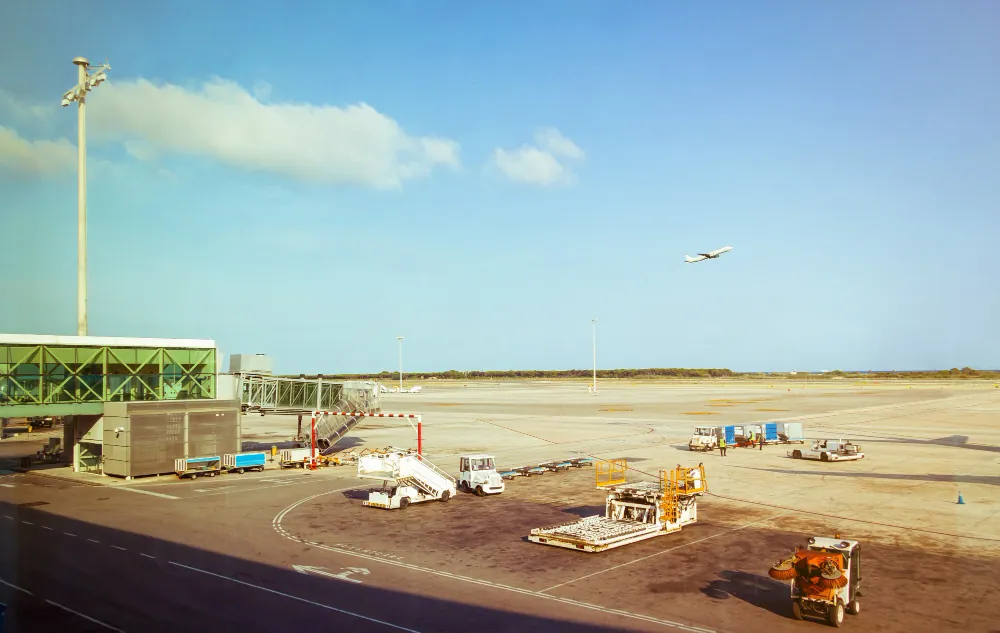
Airport construction works are, in general, the sum of a large-scale commercial project with a highway project, carrying all the challenges of both types.
In projects of this scale, any communication failure or loss of information can lead to delays, rework, and additional costs. Therefore, having full visibility of the construction site and centralizing data in a single environment is crucial to maintain control and make decisions based on real evidence.
Tools like Visi, by ConstructIN, help monitor progress remotely, with full visual documentation, comparisons between planned and executed phases, and automated reports that foster transparency and efficiency.
What makes airport construction so complex
Managing an airport construction project means dealing with a living structure, with flights, passengers, and services that do not stop. This scenario imposes access, security, and scheduling restrictions, in addition to requiring impeccable coordination between the different work fronts.
Besides operational complexity, there are other important factors to consider:
Security restrictions and controlled access at multiple levels, which limit the movement of teams and equipment and require well-planned logistics and strict inspection;
Interference between work fronts, such as interventions on runways, terminals, and support areas happening in parallel;
Demanding regulatory requirements, imposed by agencies such as ANAC, DECEA and, in international airports, by additional oversight bodies and specific international standards;
Since they are, in many cases, public works or public-private partnerships, there is a demand for organized and centralized documentation to meet regulatory and auditing requirements.
In a runway repaving project, for example, delays in releasing operational windows can cause significant financial impacts for airlines.
Furthermore, the very size of the airport brings logistical and geographical challenges, with teams working in vast areas and, often, in sectors that remain operational throughout the entire execution of the project.

The main challenges of airport construction management
Managing construction projects in airports requires coordination among different agents and constant monitoring of deadlines, costs, and safety. The more decentralized the communication, the higher the risk of rework, mistaken decisions, and loss of control over the progress of the project.
The main challenges are:
Information fragmentation, circulating through isolated emails, messages, and spreadsheets;
Lack of visibility between field and office, making it difficult to compare planned and executed phases;
Decisions made based on perceptions, rather than concrete data.
Documentation without traceability, complicating audits and approvals with regulatory bodies.
However, a large portion of these problems can be reduced (or eliminated) through the use of technologies that centralize information and standardize the monitoring of complex construction projects.

The importance of information centralization
In highly complex projects, every detail matters. When photos, reports, and measurements are scattered across different channels, the risk of failures grows exponentially. Centralizing information is the way to reduce noise, speed up decisions, and maintain traceability from start to finish.
In short, centralizing is ensuring that everyone, from engineers, contractors, and even inspectors, has access to the same updated and verifiable information.
In airport construction, this practice has clear benefits:
Centralizing project information, combined with tracking progress with reliable visual evidence, offers investors and managers (in Brazil or abroad) a clear and detailed view of what is happening in the field, facilitating inspection and making decision-making safer
Reduces reliance on manual records by centralizing construction information, ensuring traceability with automatic and updated records, instead of decentralized spreadsheets;
Facilitates remote and simultaneous access to information by all parties involved;
Generates an auditable history of the executed activities, essential for compliance and operational safety.
Therefore, by adopting a centralized platform, like Visi, teams save time, increase transparency, and turn communication into a strategic management asset.
How technology and reality capture elevate project control
Reality capture technologies, such as georeferenced photos, periodic records, and automated analyses, are revolutionizing the monitoring of large-scale construction projects. They replace manual and fragmented recording with precise visual data, facilitating remote monitoring and technical control.
With Visi, by ConstructIN, it is possible to monitor project progress in real time, through updated records, and automatically detect changes on site, avoiding deviations and rework. Additionally, it generates automatic non-compliance reports, saving teams time.
This visual data-driven approach provides security, predictability, and allows closer management, even from a distance.
Integrated communication between field and office
In airport construction, there is a long chain of professionals involved, from builders and designers to public managers and concessionaires. If communication between them fails, the impact on schedule and budget is immediate.
By relying on a single monitoring platform, everyone has access to the same project status, in real time, making approvals and releases faster and more traceable. This increases transparency, strengthening trust between client and contractor.
By eliminating dispersed emails, isolated messages, and various spreadsheets, management becomes more seamless, which are decisive factors for success in environments as dynamic as airports.
How to implement centralized management in airport construction projects
Adopting a more digital and centralized management model requires planning, training, and close attention to internal processes.
Technology alone does not solve things, but it can be the integration between people, processes, and data that transforms the project's routine.
Good practices include:
Defining those responsible for feeding and reviewing information on the platform;
Establishing documentation standards, such as photographic record frequency and report types;
Training teams to use the tools, reinforcing the importance of traceability;
Monitoring physical progress indicators, deadlines, and non-conformities in real time.
With this, management becomes more predictable, communication more agile, and the project more transparent.
FAQ: Frequently asked questions about airport construction
What differentiates an airport project from a conventional construction?
In addition to the scale, airport construction requires integration with active operations, specific aviation regulations, and high levels of security control and traceability.
How can we ensure that project monitoring is reliable?
By centralizing information on a digital platform with visual records and automated reports, it is possible to reduce errors and make decisions based on evidence.
Can technology replace in-person visits?
It does not replace them entirely, but it reduces the need for frequent travel, allowing for more strategic and efficient supervision.
What are the benefits of Visi for airport construction?
Visi allows tracking the evolution of the project remotely, generating non-compliance reports, comparing planned versus executed progress, and documenting the entire construction history.
What is important for the success of digital management?
Alignment between teams, standardization of processes, and commitment to using technology as part of the daily routine on the job site.
Start tracking your construction projects with Visi
More than a technological feature, this centralization represents a cultural shift in the transition from reactive management to evidence-based, collaborative, and efficient management.
Visi is the pioneering software in reality capture that brings a revolution in construction control to Brazil and Latin America. Request a free demo.
Airport construction works are, in general, the sum of a large-scale commercial project with a highway project, carrying all the challenges of both types.
In projects of this scale, any communication failure or loss of information can lead to delays, rework, and additional costs. Therefore, having full visibility of the construction site and centralizing data in a single environment is crucial to maintain control and make decisions based on real evidence.
Tools like Visi, by ConstructIN, help monitor progress remotely, with full visual documentation, comparisons between planned and executed phases, and automated reports that foster transparency and efficiency.
What makes airport construction so complex
Managing an airport construction project means dealing with a living structure, with flights, passengers, and services that do not stop. This scenario imposes access, security, and scheduling restrictions, in addition to requiring impeccable coordination between the different work fronts.
Besides operational complexity, there are other important factors to consider:
Security restrictions and controlled access at multiple levels, which limit the movement of teams and equipment and require well-planned logistics and strict inspection;
Interference between work fronts, such as interventions on runways, terminals, and support areas happening in parallel;
Demanding regulatory requirements, imposed by agencies such as ANAC, DECEA and, in international airports, by additional oversight bodies and specific international standards;
Since they are, in many cases, public works or public-private partnerships, there is a demand for organized and centralized documentation to meet regulatory and auditing requirements.
In a runway repaving project, for example, delays in releasing operational windows can cause significant financial impacts for airlines.
Furthermore, the very size of the airport brings logistical and geographical challenges, with teams working in vast areas and, often, in sectors that remain operational throughout the entire execution of the project.
The main challenges of airport construction management
Managing construction projects in airports requires coordination among different agents and constant monitoring of deadlines, costs, and safety. The more decentralized the communication, the higher the risk of rework, mistaken decisions, and loss of control over the progress of the project.
The main challenges are:
Information fragmentation, circulating through isolated emails, messages, and spreadsheets;
Lack of visibility between field and office, making it difficult to compare planned and executed phases;
Decisions made based on perceptions, rather than concrete data.
Documentation without traceability, complicating audits and approvals with regulatory bodies.
However, a large portion of these problems can be reduced (or eliminated) through the use of technologies that centralize information and standardize the monitoring of complex construction projects.
The importance of information centralization
In highly complex projects, every detail matters. When photos, reports, and measurements are scattered across different channels, the risk of failures grows exponentially. Centralizing information is the way to reduce noise, speed up decisions, and maintain traceability from start to finish.
In short, centralizing is ensuring that everyone, from engineers, contractors, and even inspectors, has access to the same updated and verifiable information.
In airport construction, this practice has clear benefits:
Centralizing project information, combined with tracking progress with reliable visual evidence, offers investors and managers (in Brazil or abroad) a clear and detailed view of what is happening in the field, facilitating inspection and making decision-making safer
Reduces reliance on manual records by centralizing construction information, ensuring traceability with automatic and updated records, instead of decentralized spreadsheets;
Facilitates remote and simultaneous access to information by all parties involved;
Generates an auditable history of the executed activities, essential for compliance and operational safety.
Therefore, by adopting a centralized platform, like Visi, teams save time, increase transparency, and turn communication into a strategic management asset.
How technology and reality capture elevate project control
Reality capture technologies, such as georeferenced photos, periodic records, and automated analyses, are revolutionizing the monitoring of large-scale construction projects. They replace manual and fragmented recording with precise visual data, facilitating remote monitoring and technical control.
With Visi, by ConstructIN, it is possible to monitor project progress in real time, through updated records, and automatically detect changes on site, avoiding deviations and rework. Additionally, it generates automatic non-compliance reports, saving teams time.
This visual data-driven approach provides security, predictability, and allows closer management, even from a distance.
Integrated communication between field and office
In airport construction, there is a long chain of professionals involved, from builders and designers to public managers and concessionaires. If communication between them fails, the impact on schedule and budget is immediate.
By relying on a single monitoring platform, everyone has access to the same project status, in real time, making approvals and releases faster and more traceable. This increases transparency, strengthening trust between client and contractor.
By eliminating dispersed emails, isolated messages, and various spreadsheets, management becomes more seamless, which are decisive factors for success in environments as dynamic as airports.
How to implement centralized management in airport construction projects
Adopting a more digital and centralized management model requires planning, training, and close attention to internal processes.
Technology alone does not solve things, but it can be the integration between people, processes, and data that transforms the project's routine.
Good practices include:
Defining those responsible for feeding and reviewing information on the platform;
Establishing documentation standards, such as photographic record frequency and report types;
Training teams to use the tools, reinforcing the importance of traceability;
Monitoring physical progress indicators, deadlines, and non-conformities in real time.
With this, management becomes more predictable, communication more agile, and the project more transparent.
FAQ: Frequently asked questions about airport construction
What differentiates an airport project from a conventional construction?
In addition to the scale, airport construction requires integration with active operations, specific aviation regulations, and high levels of security control and traceability.
How can we ensure that project monitoring is reliable?
By centralizing information on a digital platform with visual records and automated reports, it is possible to reduce errors and make decisions based on evidence.
Can technology replace in-person visits?
It does not replace them entirely, but it reduces the need for frequent travel, allowing for more strategic and efficient supervision.
What are the benefits of Visi for airport construction?
Visi allows tracking the evolution of the project remotely, generating non-compliance reports, comparing planned versus executed progress, and documenting the entire construction history.
What is important for the success of digital management?
Alignment between teams, standardization of processes, and commitment to using technology as part of the daily routine on the job site.
Start tracking your construction projects with Visi
More than a technological feature, this centralization represents a cultural shift in the transition from reactive management to evidence-based, collaborative, and efficient management.
Visi is the pioneering software in reality capture that brings a revolution in construction control to Brazil and Latin America. Request a free demo.
Sobre o autor
Tales Silva
CEO & founder, Construct IN
Tales Silva é Engenheiro Civil formado pela PUCRS (2016) e possui MBA Executivo com foco em marketing pela ESPM-Sul (2019). Tem experiência em projetos estruturais e em construções industrializadas. É fundador e CEO da Construct IN, construtech que oferece uma plataforma de gestão e documentação de obras por meio de imagens 360º.
cOMPARTILHE NAS REDES
Recomendado para você
carregar mais ↓


Subscribe to our newsletter
Explore nossas soluções
Entre em contato e descubra como a captura da realidade e dados centralizados podem ser a solução para a gestão de suas obras.
