Construct IN
16 de set. de 2025
Construction Audit: how to implement it in your project
Construction Audit: how to implement it in your project
Learn how to protect investments with transparency and control
Learn how to protect investments with transparency and control


Tales Silva
CEO & founder, Construct IN
cOMPARTILHE NAS REDES
cOMPARTILHE NAS REDES
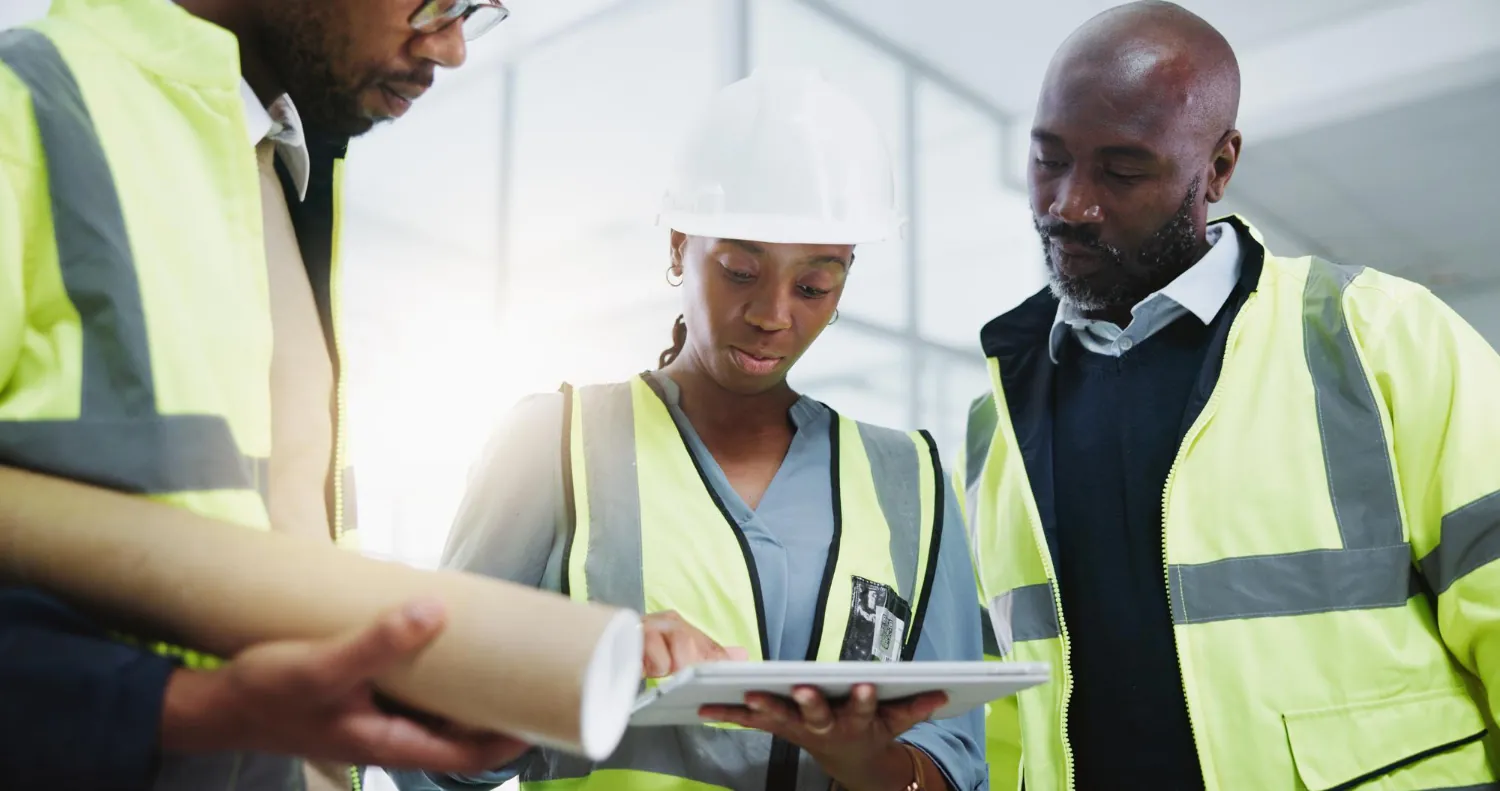
Image: Freepik/ The Yuri Arcurs Collection
If you already invest in real estate projects, you know the risk of running a construction project without knowing if what is being executed matches what was contracted. That is where Auditing in Civil Construction comes in.
After all, errors can occur in the construction measurement, physical progress may diverge from what was planned, or inconsistencies may arise between the schedule and the reality of the job site. All of this directly impacts the return on investment (ROI) and can become a headache down the road.
That is why investing in a 100% independent Civil Construction Audit is a fundamental process to ensure that each stage of execution is aligned with contracts, quality standards, and, most importantly, the planned budget.
In this post, you will understand what technical auditing in construction is, how it works, why it is essential for investment funds, and how it can help you with validated methodologies and reality capture.

What is Auditing in Civil Construction?
An Audit in Civil Construction is a careful and systematic verification of the project, conducted by specialized and independent professionals.
The goal is to ensure that what is being built follows exactly what was planned, budgeted, and contracted.
But it goes far beyond just "checking if everything is right". It also serves to:
Verify the physical execution of the project based on technical and contractual standards;
Validate measurements and payments, preventing fraud or financial deviations;
Evaluate the quality of the services and materials used;
Control the progress of the schedule and the correct use of resources;
Identify risks and propose corrective actions before they turn into losses.
In short, it is a form of governance that protects your investment with real, technical, and reliable data.
How does technical auditing work in practice?
The auditing process involves several stages, all focused on ensuring transparency and control of the physical-financial schedule. Here is how it usually works:
1. Document analysis
Before stepping onto the job site, the auditor reviews all project documents: contract, schedule, budget, technical scope, licenses, amendments... Everything needs to be aligned and within regulations.
2. On-site technical inspection (or remote with 360° images)
This is the most important part: a visit (or remote audit) where the work fronts, applied materials, project evolution, and quality of execution are verified. Here, the auditor checks whether what is being done matches what was planned.
For this, you can count on the help of Visi. Although it is not auditing software, it helps you with remote management and construction documentation. With this platform, it is possible to capture reality using images, videos, and 360° drones of the job site, which are updated directly on the floor plan.
This allows remote inspections to be carried out with total reliability, creating a complete visual history of the development.
This continuous monitoring, combined with technical analysis, ensures a precise and impartial view of the physical-financial progress of the construction, reducing travel and increasing transparency for investors.
3. Financial evaluation
Based on the committed costs in the client's system, a cost analysis is performed, identifying potential payment allocation errors and ensuring there are no deviations from the original budget.
4. Complete technical report
The result of the audit is a clear, detailed report packed with evidence, such as: photos, analyses, technical notes, and recommendations. This material serves as a basis for releasing resources, replanning, and making secure decisions.
5. Continuous monitoring
The audit in Civil Construction can (and should) be recurring. With each new phase of the project, a new verification ensures that everything stays on track. This brings real visibility, prevents surprises, and improves the relationship between all parties involved: developer, builder, and investors.
Why outsource technical auditing?
Technical auditing brings an extra layer of security and impartiality to your project.
When the auditor is external, there is no conflict of interest. The focus is technical, objective, and evidence-based. This reinforces trust in the data, reduces compliance risks, and facilitates bank approvals.
FAQ: People also ask
What are the 3 types of audits in civil construction?
In civil construction, the audit can be divided into three main types: technical, financial, and legal/contractual.
What are the 4 phases of auditing?
Every well-structured audit follows four stages: planning, data collection, analysis and report preparation, and the monitoring and implementation phase.
What is the scope of an audit?
It is the definition of the audit's focus, and it is essential to ensure that the work is efficient, avoiding wasting time and energy on points that are not part of the analysis at that moment.
What is an audit program?
The audit program is the operational plan that organizes the entire execution of the process. It describes the audit objectives, the schedule with deadlines and deliverables, the methods that will be used, and who is responsible for each stage.
2 solutions to simplify construction management
The Visi is remote management software that organizes 360° images, documents, and job site communication all in one place.
The Advysor was made for investment funds to monitor projects with standardized and comparable data, bringing clarity and confidence in expansion.
Neither of them performs audits, but both help to bring more visibility, transparency, and efficiency to construction projects.
➡️ Speak with our specialists and see which one makes the most sense for you.
If you already invest in real estate projects, you know the risk of running a construction project without knowing if what is being executed matches what was contracted. That is where Auditing in Civil Construction comes in.
After all, errors can occur in the construction measurement, physical progress may diverge from what was planned, or inconsistencies may arise between the schedule and the reality of the job site. All of this directly impacts the return on investment (ROI) and can become a headache down the road.
That is why investing in a 100% independent Civil Construction Audit is a fundamental process to ensure that each stage of execution is aligned with contracts, quality standards, and, most importantly, the planned budget.
In this post, you will understand what technical auditing in construction is, how it works, why it is essential for investment funds, and how it can help you with validated methodologies and reality capture.
What is Auditing in Civil Construction?
An Audit in Civil Construction is a careful and systematic verification of the project, conducted by specialized and independent professionals.
The goal is to ensure that what is being built follows exactly what was planned, budgeted, and contracted.
But it goes far beyond just "checking if everything is right". It also serves to:
Verify the physical execution of the project based on technical and contractual standards;
Validate measurements and payments, preventing fraud or financial deviations;
Evaluate the quality of the services and materials used;
Control the progress of the schedule and the correct use of resources;
Identify risks and propose corrective actions before they turn into losses.
In short, it is a form of governance that protects your investment with real, technical, and reliable data.
How does technical auditing work in practice?
The auditing process involves several stages, all focused on ensuring transparency and control of the physical-financial schedule. Here is how it usually works:
1. Document analysis
Before stepping onto the job site, the auditor reviews all project documents: contract, schedule, budget, technical scope, licenses, amendments... Everything needs to be aligned and within regulations.
2. On-site technical inspection (or remote with 360° images)
This is the most important part: a visit (or remote audit) where the work fronts, applied materials, project evolution, and quality of execution are verified. Here, the auditor checks whether what is being done matches what was planned.
For this, you can count on the help of Visi. Although it is not auditing software, it helps you with remote management and construction documentation. With this platform, it is possible to capture reality using images, videos, and 360° drones of the job site, which are updated directly on the floor plan.
This allows remote inspections to be carried out with total reliability, creating a complete visual history of the development.
This continuous monitoring, combined with technical analysis, ensures a precise and impartial view of the physical-financial progress of the construction, reducing travel and increasing transparency for investors.
3. Financial evaluation
Based on the committed costs in the client's system, a cost analysis is performed, identifying potential payment allocation errors and ensuring there are no deviations from the original budget.
4. Complete technical report
The result of the audit is a clear, detailed report packed with evidence, such as: photos, analyses, technical notes, and recommendations. This material serves as a basis for releasing resources, replanning, and making secure decisions.
5. Continuous monitoring
The audit in Civil Construction can (and should) be recurring. With each new phase of the project, a new verification ensures that everything stays on track. This brings real visibility, prevents surprises, and improves the relationship between all parties involved: developer, builder, and investors.
Why outsource technical auditing?
Technical auditing brings an extra layer of security and impartiality to your project.
When the auditor is external, there is no conflict of interest. The focus is technical, objective, and evidence-based. This reinforces trust in the data, reduces compliance risks, and facilitates bank approvals.
FAQ: People also ask
What are the 3 types of audits in civil construction?
In civil construction, the audit can be divided into three main types: technical, financial, and legal/contractual.
What are the 4 phases of auditing?
Every well-structured audit follows four stages: planning, data collection, analysis and report preparation, and the monitoring and implementation phase.
What is the scope of an audit?
It is the definition of the audit's focus, and it is essential to ensure that the work is efficient, avoiding wasting time and energy on points that are not part of the analysis at that moment.
What is an audit program?
The audit program is the operational plan that organizes the entire execution of the process. It describes the audit objectives, the schedule with deadlines and deliverables, the methods that will be used, and who is responsible for each stage.
2 solutions to simplify construction management
The Visi is remote management software that organizes 360° images, documents, and job site communication all in one place.
The Advysor was made for investment funds to monitor projects with standardized and comparable data, bringing clarity and confidence in expansion.
Neither of them performs audits, but both help to bring more visibility, transparency, and efficiency to construction projects.
➡️ Speak with our specialists and see which one makes the most sense for you.
Image: Freepik/ The Yuri Arcurs Collection
Sobre o autor
Tales Silva
CEO & founder, Construct IN
Tales Silva é Engenheiro Civil formado pela PUCRS (2016) e possui MBA Executivo com foco em marketing pela ESPM-Sul (2019). Tem experiência em projetos estruturais e em construções industrializadas. É fundador e CEO da Construct IN, construtech que oferece uma plataforma de gestão e documentação de obras por meio de imagens 360º.
cOMPARTILHE NAS REDES
Recomendado para você
carregar mais ↓


Subscribe to our newsletter
Explore nossas soluções
Entre em contato e descubra como a captura da realidade e dados centralizados podem ser a solução para a gestão de suas obras.
